
Objective
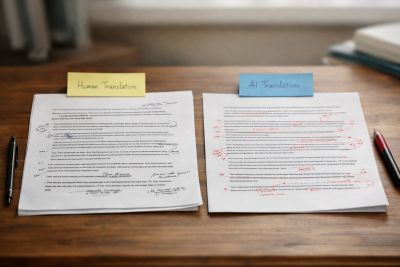
The study aimed to develop an activity for writing-based courses that helps students improve their writing skills by comparing their summaries with those generated by AI tools.
Methods
The study proposed a four-step activity involving preparation, reviewing summaries, working with AI-generated content, and engaging with AI tools. It used a flipped-class approach where students first prepared by reading assigned materials and then participated in class activities that included discussions and comparisons of human and AI-generated summaries.
Key Findings
- Students improved their critical reading and writing skills by comparing their summaries with those generated by AI.
- The activity encouraged ethical considerations regarding the use of AI in academic work.
- Students gained practical experience in using AI tools for writing tasks.
Implications
The findings suggest that incorporating AI tools into writing education can enhance students' understanding of summarization and critical evaluation, preparing them for future academic and professional environments where AI is prevalent.
Limitations
The study was limited to specific writing courses and may not generalize to all educational contexts. It also focused on students' initial interactions with AI tools without long-term evaluation.
Future Directions
Future research should explore the long-term effects of integrating AI tools in various educational settings and investigate how different disciplines can benefit from such activities.
The bottom line: This proposed classroom activity has students compare their own summaries with AI-generated ones, which the authors say builds critical reading and writing and raises ethical questions. It was tried in specific writing courses with no long-term follow-up.


Comments 0
No comments yet. Be the first to share a thought.
Get new research summaries by email
Every new summary, daily at 8:00 AM Eastern (or weekly if you prefer). Unsubscribe in one click.