Objective
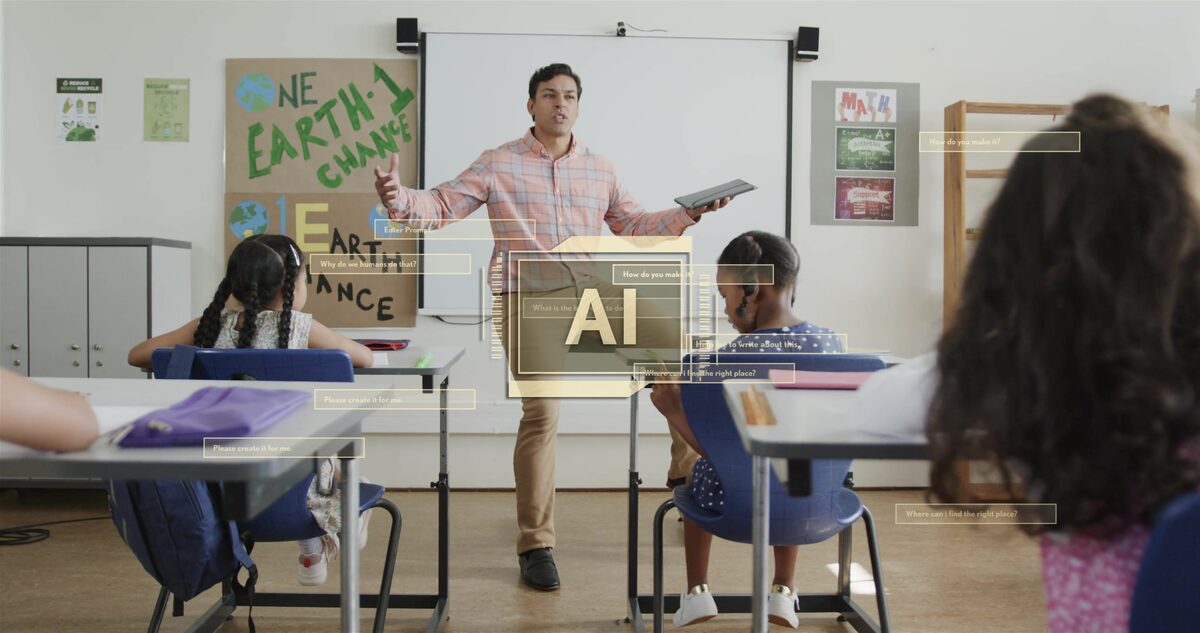
This study examined how K-12 teachers across diverse global contexts integrate GenAI education into their classrooms to promote educational equality. The researchers sought to understand teachers' current equality-oriented practices, the structural challenges they face beyond individual control, and their visions for more inclusive GenAI education with broader stakeholder support.
Methods
The researchers conducted 30 in-depth, semi-structured interviews with K-12 teachers actively engaged in GenAI education across three regions: the United States, South Africa, and Taiwan (10 teachers from each region). Participants were selected based on their direct classroom responsibilities, active GenAI teaching experience, and demonstrated interest in educational equality issues. Interviews lasted 60-90 minutes and were conducted remotely via Zoom in participants' primary teaching languages. The study used reflexive thematic analysis with both inductive and deductive coding approaches, comparing findings within and across regions to identify global commonalities and context-specific differences.
Key Findings
Teachers often planned GenAI education with two connected equality goals. First, they used GenAI to help with pre-existing inequalities by closing awareness gaps about new technologies, filling in for missing textbooks and materials, helping students who struggle with digital skills by using GenAI's natural language interface, and meeting the needs of students with disabilities by personalizing learning. Second, they tried to stop new inequalities from starting by focusing on issues like academic shortcuts, students misusing GenAI, cultural biases in GenAI results, and students depending too much on AI for emotional support. Teachers still faced ongoing barriers such as unreliable internet, students with different levels of digital skills, GenAI tools designed with cultural bias, not enough training for teachers, and strict social rules from conservative groups and parents who are unsure about the technology. Teachers hope for wide support in the future from schools [innovation centers, working with other schools], technology companies [making tools fit local cultures and adding features for accessibility], and governments [teaching everyone about AI and running community education programs].
Implications
This research shows that GenAI education is a new way of teaching that is different from older computer education. Teachers play a key role in shaping what technology can do and what values are taught. The findings suggest that reaching equality in education with GenAI means going past what individual teachers can do and making changes across the whole system. For teaching, this means building full training programs for teachers that cover both technical skills and ways to teach with a focus on equality. For technology, companies should focus on making GenAI tools that fit local cultures, are easy for everyone to use, and reduce bias. For policy, governments should spend money to make sure everyone has good infrastructure, run community education programs, and create rules that help teachers try new ways of teaching.
Limitations
The study's scope was limited to three regions and may not represent all global contexts with different political economies and technological infrastructures. The research focused primarily on teacher perspectives without including voices of students, parents, policymakers, and technology developers who also shape GenAI education dynamics. The interview-based methodology captured teachers' accounts of practices and aspirations rather than measuring actual student outcomes or long-term impacts. Additionally, the study examined current and envisioned practices during the early adoption phase of GenAI, which may not reflect how these dynamics evolve as the technology matures.
Future Directions
The researchers recommend expanding studies to include additional regions with diverse technological and cultural contexts, incorporating multi-stakeholder perspectives to develop more holistic understanding, conducting longitudinal research to measure actual impacts on student learning and digital literacy development, and testing specific interventions designed to address the structural barriers identified. Future work should also examine how different cultural and linguistic contexts shape GenAI education practices and explore the development of more inclusive and culturally responsive AI tools for educational settings.
The bottom line: Interviews with 30 teachers in the US, South Africa and Taiwan suggest they use generative AI to ease inequalities but are held back by infrastructure and training gaps. This preprint reflects teacher views only, in three regions.



Comments 0
No comments yet. Be the first to share a thought.
Get new research summaries by email
Every new summary, daily at 8:00 AM Eastern (or weekly if you prefer). Unsubscribe in one click.