Objective
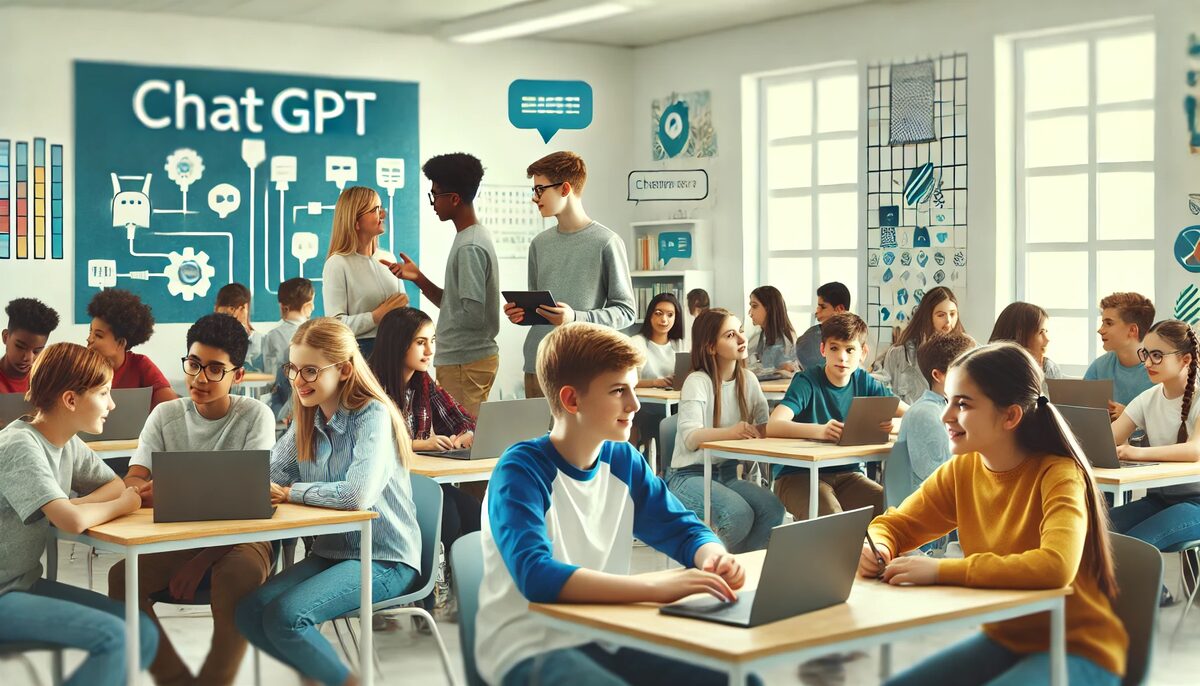
Planning an art lesson that also draws on science or engineering means finding an activity, working out what children should learn, and gathering materials they can use. Teachers may need to connect ideas from subjects they do not usually teach. The researchers wanted to see where ChatGPT could help during that process and what parts still required a teacher’s judgment.
The study focused on art-led STEAM, which brings science, technology, engineering, arts, and mathematics together with art as the starting point. The authors compared plans made in teachers’ usual way with plans prepared with help from ChatGPT. They also asked how teachers worked with the tool, which features they found useful, and what problems they encountered. The study assessed written plans and teachers’ experiences while making them. It did not observe the lessons being taught or measure what children learned from them.
Methods
The authors started with a questionnaire and interviews to learn how teachers prepared for lessons and what they expected from AI. They received 48 valid questionnaires and conducted three interviews. These responses helped the researchers design the later activities.
The main study involved 13 children’s art educators and six university professors in China. The researchers recruited teachers through social media and personal introductions. Teachers signed a consent form and received a theme and requirements for the lesson. They started by preparing a lesson in their usual way. They then received instructions for working with GPT-4o, including a guide to writing prompts, and prepared another plan with the tool. One participant who already used ChatGPT daily produced only an assisted plan. The study therefore included 12 traditional and 13 assisted plans. The activities took place online or in person, depending on location.
The six professors received training on the scoring guide and rated the 25 plans without being told how each had been made. The researchers compared the paired scores for teachers who completed both versions. They also examined interviews, survey ratings, observations, and interactions with ChatGPT to understand the planning process. This was a comparison of plans prepared under different conditions. The traditional plan came first, meaning that ideas from the first planning session and guidance supplied before the second session could have affected the comparison. The activity did not include a trial with children.
Key Findings
The professors rated the ChatGPT-assisted plans higher, while teachers described both useful suggestions and work they still had to do before using them.
How professors rated the plans
In the paired comparison, the middle score was 20.500 for assisted plans and 17.585 for plans made in the usual way. The difference was statistically clear in the authors’ analysis of 12 pairs. The professors used a scoring guide and were not told which method produced a given plan. The difference concerns how the written documents met the criteria, including aspects of learning goals, content, and integration across subjects. It is separate from whether children would understand the lesson or whether the activities would work with the equipment available.
How teachers used ChatGPT
The authors describe three approaches. Some teachers started with their own outline and used the tool to fill gaps or develop ideas. Some completed a plan themselves and asked the tool to review it. Others started from a generated plan and revised it. The paper reports that 60% chose the outline-first approach in its account of these preferences, while 20% chose each of the other approaches. These percentages describe the reported preferences. They do not establish which approach produced the best plan.
Teachers described using the tool to connect ideas across subjects, suggest activities, and look for images and other resources. The item asking about reducing planning time received an average rating of 4.2. That rating reflects teachers’ perceptions rather than a measured time saving. Teachers were more reserved about whether the tool produced genuinely new ideas. Some found it most helpful for making their own ideas more concrete or noticing something they had overlooked.
Where plans still needed work
Some suggestions were too general or impractical for the intended class. Teachers described needing to filter repeated suggestions and adapt materials to the children and setting. The paper describes both useful generated visuals and difficulties with visual instructions that did not make enough sense to use as presented. These results give a reason to judge text and images separately. A clear written explanation does not ensure that each picture accurately shows the next step.
The authors used observations from the planning activities to propose a prompt framework that asks teachers to explain what they need and refine the output. The study documents how teachers used that support and how professors scored the plans. It supplies no evidence about student engagement or learning when the plans are taught.
Implications
The authors suggest using ChatGPT for specific stages of planning, such as developing content and finding multimedia resources. An art teacher can start by writing down what children should make or explain, what they already know, and what materials they have. An assistant can then offer a few ways to connect an art task with another subject. The teacher can check whether that connection serves the goal or simply adds a topic to the plan.
A practical reading is to use the generated material as a draft that needs a classroom check. Review the steps in the order children would follow them, confirm the materials are available, and check whether a picture represents the process accurately. If an activity draws on science or mathematics, check that the explanation is correct and pitched at a level the children can use. These steps address the problems teachers described with plans that looked thorough but did not suit their classroom.
For a school or program, the evidence supports comparing plans and asking how teachers use them. A pilot could also record the time spent preparing prompts, checking resources, and making corrections. This would give a clearer estimate of workload than asking whether the tool felt quicker. To decide whether the plans support learning, instructors would need to teach them, look at student work, and ask children how they experienced the activity. A higher rating for a written plan does not answer those questions.
Limitations
The main comparison involved a small group of Chinese art educators and professors. The authors recruited participants who were available and willing to take part. Their experience may differ from that of teachers who are less familiar with the tool or who work with other curricula. Only two of the participating teachers had STEAM experience, according to the paper, which also matters when considering how much support different educators might need.
The authors note that surveys and interviews can reflect what participants think researchers want to hear. Scoring the plans separately gives another perspective, but the comparison still covers written materials. The plans were not taught to children, and the study collected no student feedback about them.
The paper does not mention, but varying which planning method came first would help separate the tool’s contribution from practice and familiarity with the topic. Teachers also received a prompt framework before the assisted condition. The study therefore evaluates a planning process that includes guidance and tool use together. It does not show what the same teachers would have produced with different guidance or in a different order.
Future Directions
The authors call for studies that teach the lessons and collect feedback from children. Researchers could compare how well children take part in the activity, explain the ideas from different subjects, and complete the work with available materials. Observations could also show which parts of the written plan teachers had to change during the lesson.
The paper proposes comparing ChatGPT with other tools and exploring ways to adapt support to art and STEAM education. A follow-up could examine whether prompts that specify age, classroom resources, and learning goals lead to plans that require fewer revisions. Researchers could also record where generated images or suggested resources fail a classroom check and track the time needed to put plans into practice across different classroom settings.
The bottom line: In this small study, professors gave higher ratings to children’s STEAM arts lesson plans teachers prepared with ChatGPT. Teachers described help with finding ideas and linking subjects, but they still had to adjust suggestions and check visual materials. The comparison concerns plans on paper. It does not show that children learned more or that teachers saved a particular amount of time. Teachers who try the approach can start with their own goals and classroom constraints, check each suggested activity and resource, and look at student work after teaching the lesson.


Comments 0
No comments yet. Be the first to share a thought.
Get new research summaries by email
Every new summary, daily at 8:00 AM Eastern (or weekly if you prefer). Unsubscribe in one click.