Objective
The main goal of this collection was to examine the integration of artificial intelligence in K-12 and postsecondary education through a humanities lens, focusing on ethical, cultural, and pedagogical implications rather than purely technical considerations. The Virginia Commonwealth University Digital Technology in Education working group sought to understand how AI technologies influence human values, experiences, and social structures in educational contexts, with particular attention to equity, accessibility, and the preservation of human-centered learning.
Methods
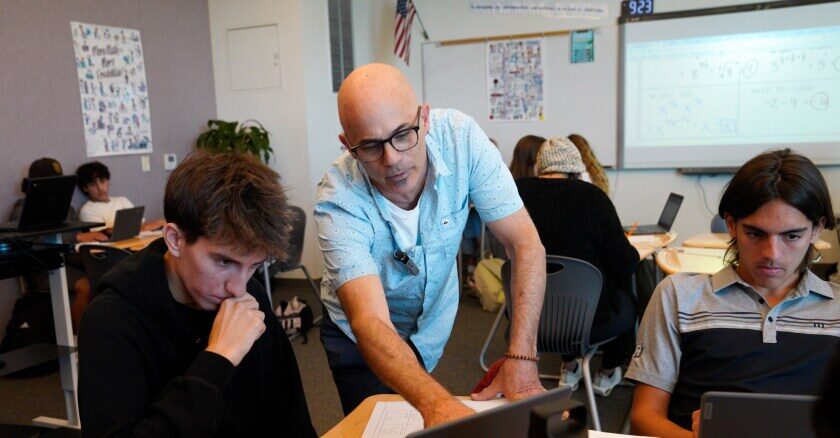
The research employed diverse methodological approaches across multiple studies and reflective pieces. Case studies documented classroom implementations, including a third-grade teacher using AI-generated imagery to enhance creative writing, dual enrollment instructors integrating text-to-image AI tools for descriptive writing instruction, and language educators exploring AI chatbots as conversation partners. The collection also included theoretical frameworks such as design thinking approaches for K-12 STEM education, policy analysis of AI guardrails, and speculative future scenarios. An interactive UnConference provided participant-driven discussions that were analyzed both thematically and through arts-based inquiry methods to capture educator perspectives and concerns.
Key Findings
The studies revealed several significant insights about AI implementation in educational settings. Third-grade students showed remarkable engagement and improved writing quality when their stories were transformed into AI-generated artwork, with historically marginalized students demonstrating particular success. In dual enrollment composition courses, students from diverse backgrounds outperformed their peers when using AI tools for descriptive writing, suggesting potential equity benefits when AI is thoughtfully integrated. However, the research also identified substantial limitations in AI's ability to support advanced language learning, particularly regarding cultural competence and authentic human interaction. Educators expressed both enthusiasm for AI's potential to personalize learning and legitimate concerns about academic integrity, the erosion of critical thinking skills, and the risk of dehumanizing education. The collection emphasized that successful AI integration requires maintaining "humans in the loop" rather than pursuing full automation.
Implications
The findings help us understand AI's role in education by showing that technology alone cannot solve educational challenges. The research supports human-centered approaches that use AI to support, not replace, human judgment, creativity, and connection. The collection gives practical frameworks for ethical AI use and points out the key role of teachers in guiding, supporting, and checking student learning. It says that AI can help with equity and accessibility if it is designed with care, but warns that using AI without careful thought could keep old biases or weaken real learning. The research says the humanities are needed to understand AI's wider effects beyond how it works.
Limitations
The collection acknowledges several limitations across its constituent studies. Sample sizes were often small and context-specific, limiting generalizability. Many findings were based on short-term implementations, making long-term impacts unclear. The rapid pace of AI development means some technical discussions may become quickly outdated. Several studies relied on self-reported data from surveys and reflections, introducing potential bias. The focus on specific educational contexts (primarily Virginia schools and universities) may limit broader applicability. Additionally, the collection notes the challenge of keeping pace with rapidly evolving AI capabilities and policies.
Future Directions
The research suggests several ways to keep studying this topic. Long-term studies are needed to see how AI affects learning and student growth over time. Studies in more types of schools, backgrounds, and places would give a wider view. The collection asks for more work on AI literacy lessons and teacher training. Future research should look at how AI works with other new technologies in education, find the best mix of human and AI roles in learning, and build better ways to measure real learning in AI-supported settings. The authors also say we need more policy research and rules for ethics that can change as technology changes.
The bottom line: This collection of case studies and reflections argues AI works best in classrooms when it supports, not replaces, human judgment and creativity. Samples were small and short-term, so treat the examples as ideas to try, not proven results.



Comments 0
No comments yet. Be the first to share a thought.
Get new research summaries by email
Every new summary, daily at 8:00 AM Eastern (or weekly if you prefer). Unsubscribe in one click.